

Why Delaying Auto Hail Damage Repair Can Make Dents Worse Over Time: A Practical Guide
- WGAS SEO
- Dec 19, 2025
- 7 min read

Key Takeaways
Dents from hail continue to change shape when left unrepaired.
Insurance claims are easier to process when the damage is fresh and easy to document.
Early repairs protect the vehicle’s structure and long-term appearance.
Paintless Dent Repair works best when dents are new and stable.
Drivers in Arvada, CO, benefit from early repairs during every hail season.

Hail damage can look minor, especially when dents seem shallow or spread out. Many drivers assume they can wait before scheduling repairs. But hail dents change quickly. Heat, cold, moisture, and road vibration reshape the dented metal over time. At International PDR, we see this pattern throughout every storm season. Small dents become deeper, wider, and harder to restore when repairs are delayed.
Insurance timing is another concern. Claims are easier to approve when adjusters can clearly see the original dent pattern. Once dents begin shifting, the claim process becomes slower. This blog explains why early repairs matter and how timely auto hail damage repair protects long-term vehicle quality.
Why Immediate Repairs Matter After a Hailstorm
Fresh dents hold a clear shape and stable tension. This gives technicians a predictable surface for repairs. When dents sit for long periods, heat and cold cause the metal to expand and contract; each change makes the dent wider or deeper. These shifts make the repair more complex and reduce the precision of the final result.
Moisture also plays a role. Rain and humidity enter weakened areas around dents when they remain open for long periods. Even small cracks can let water into the surface. This weakens the paint and increases the risk of long-term issues. Drivers in Arvada, CO, face large temperature swings that speed up this reaction. Early hail damage repair prevents these changes from spreading across the panel.
Insurance claims are another concern. Adjusters need clear, fresh damage patterns. When dents lose their shape, they become harder to document. This increases the chances of missed dents and reduces coverage. Filing early and repairing early protects both the vehicle and the claim.
How Metal Changes If Dents Are Left Untreated
Metal responds to heat, pressure, and vibration. When hail dents stay untouched for weeks or months, the metal shifts slowly. Hot weather expands the panel and softens the dent. Cold weather tightens it again. Every cycle pushes the dent further out of its original form, making the repair more complicated. This change is gradual, so drivers rarely notice until the dent becomes deeper.
Driving also creates pressure on dented surfaces. Road vibration, engine vibration, and even closing doors create small movements. These movements soften the edges of the dent. When edges soften, technicians must re-establish tension before performing Paintless Dent Repair. This adds time and reduces efficiency.
Moisture increases the long-term risks. Small cracks form around stressed paint. Water enters these cracks and weakens the bond between the paint and metal. In older vehicles, this may lead to early oxidation. At International PDR, we see this often when repairs are delayed. Early action helps avoid these complications and protects the panel from long-term damage.
How Delays Affect Insurance Claims
Insurance carriers use clear, fresh damage patterns to create accurate estimates. Fresh dents show a uniform shape that aligns with storm impact. When dents change shape, adjusters may overlook some damage. This can reduce repair coverage and slow the approval process.
In busy storm seasons in Arvada, CO, adjusters handle many claims at once. Delayed filing leads to crowded schedules and longer wait times. Early filing prevents these issues and gives drivers faster approval.
At International PDR, we support drivers through the full documentation process. We record photos, note dent patterns, and communicate with adjusters. This reduces delays and prevents issues with supplements.
Why Early Documentation Protects Your Claim
Insurance adjusters depend on precise damage patterns. Fresh dents maintain clean shapes and consistent spacing. When dents stretch or soften, adjusters have difficulty identifying the complete pattern, which can reduce estimated accuracy. Early documentation prevents confusion.
Photographs taken early help during supplement reviews. Supplements occur when additional dents are found during repair. Carriers compare these photos with updated images to verify the claim. Clear early photos result in faster approvals.
According to guidance from the Colorado Division of Insurance, drivers should document hail damage with photos and contact their insurer as soon as possible after a storm, rather than waiting for dents to worsen or multiply.
During busy seasons, claims with clear, early evidence move through the system more easily. Late claims require more review because the dents look different from storm-day damage. Multiple storms can also complicate claims when drivers wait too long. Early inspections prevent overlapping damage from affecting the evaluation. At International PDR, we help ensure documentation remains accurate.
How Dents Affect Paint and Long-Term Appearance
The paint on a vehicle stays flexible within a limited range. Hail dents stretch the paint around the impact area. When the dent stays untreated, repeated temperature changes cause the paint to expand and contract. This movement places stress on the paint, especially along sharper edges. Over time, micro-cracks begin to form. These cracks weaken the surface.
Drivers in Arvada, CO, experience wide temperature swings throughout each season. These conditions increase the stress on untreated dents. If the paint becomes too weak, small chips may form. This makes the repair more difficult because technicians must avoid damaging the surface during PDR.
Moisture increases the risk of long-term problems. Water can move through small cracks and reach the metal underneath. This may lead to oxidation on older vehicles. Even newer vehicles can develop surface weakness if the paint is stretched for too long. Hail damage repairs in Arvada, CO, keep the paint strong and reduce the chance of long-term surface issues.
How Weather and Daily Use Make Dents Worse
The weather affects dented panels every day. Hot sun expands the metal. Nighttime temperatures cause contraction. This constant movement gradually reshapes the dent, making it deeper or more uneven. These changes reduce the smooth response needed for PDR. The more the dent shifts, the harder it becomes to return the metal to its original shape.
Daily driving adds movement as well. Road vibration, door impacts, and body flex contribute to the deterioration. Even minor forces change the internal tension around the dent. Over time, these effects cause dents to lose their sharp edges. When a dent loses definition, technicians must rebuild the tension before they can start repairs.
Moisture creates another risk. If paint cracks form, water enters the surface. Rain, snow, and humidity all contribute to gradual weakening. This can lead to surface oxidation, especially on older cars. Once oxidation begins, technicians must take additional steps to stabilize the area. Early auto hail damage repairs avoid this layer of complexity and deliver better long-term results.
How Paintless Dent Repair Protects the Vehicle
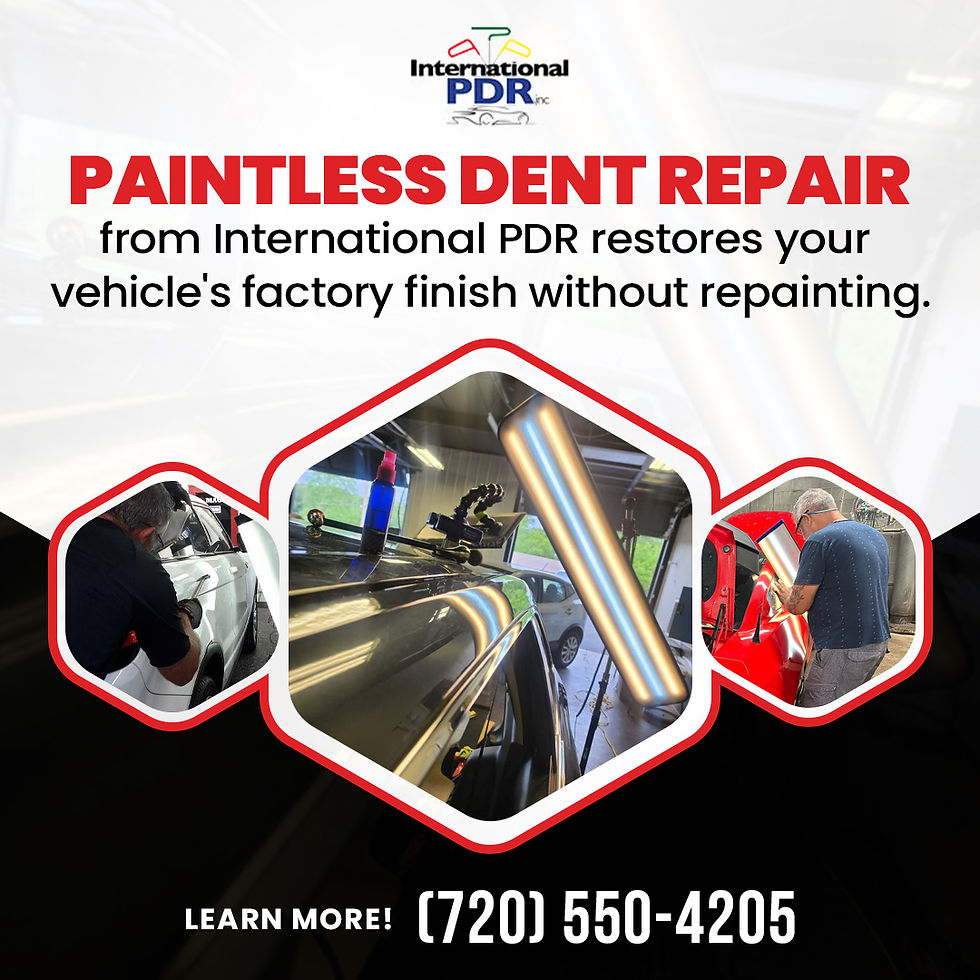
Paintless Dent Repair restores dents without damaging the original paint. This keeps the factory finish intact. PDR is most effective when dents are new, because the metal still responds well to controlled pressure. Older dents resist movement and require more careful adjustments.
At International PDR, our technicians use precise tools to move the metal from behind the panel. They depend on the natural movement of the panel to restore the original shape. Fresh dents support this process. Aged dents do not. Early repairs lead to better results and shorter repair times.
PDR also protects long-term resale value. A vehicle with original paint is valued higher than one with repainted panels. Early repairs help maintain this advantage.
Why PDR Works Best When Scheduled Early
PDR relies on flexible metal. Fresh dents allow the metal to move back into place smoothly. Older dents stiffen over time, making the repair more difficult. Technicians must apply more precise pressure to restore these dents. This slows the process and raises the risk of surface strain.
Paint quality also affects PDR. If the paint is stressed or cracked, technicians must adjust their approach. This increases repair time. Early repairs protect the paint and allow technicians to complete the process safely.
Drivers in Arvada, CO, often face more than one hailstorm each year. If dents from different storms overlap, repairs become complex. Overlapping dents confuse both documentation and restoration. Early auto hail repairs prevent this issue and keep the repair pattern simple.
Financial Reasons to Repair Hail Damage Early
Repairing dents early keeps costs predictable. Fresh dents take less time to correct. Stretched dents require more effort. Deeper dents require more tool movement. These changes increase labor time and overall repair cost. Early repairs avoid these unnecessary costs.
Insurance also becomes easier when drivers act early. Clear dent patterns lead to accurate estimates. Adjusters approve supplements faster when early photos match the current condition. Filing early avoids long delays caused by seasonal surges in claims.
At International PDR, early scheduling also improves access to transportation support, appointment availability, and faster repair timelines. These small differences make the process easier for drivers and protect both time and budget.
How Early Repairs Protect Vehicle Value
Dealerships evaluate trade-ins carefully. Hail dents lower the value because they affect appearance and create concerns about hidden damage. Early repairs protect this value by restoring the vehicle before the dents change shape. Fresh dents produce the cleanest PDR results, which keep the surface smooth and original.
Waiting increases the risk of paint cracks and moisture damage. These issues can shift the repair toward traditional bodywork. Traditional repairs include sanding and painting. This reduces resale value because the panel is no longer original. Early PDR avoids these outcomes and keeps the vehicle competitive in the market.
Insurance carriers also respond better to early claims. Late claims may require additional review or result in missed damage. Early repairs prevent multiple storm overlaps, which simplifies the documentation. Drivers save time, reduce long-term risks, and maintain a strong vehicle value when they act early.

Choose Professional Auto Hail Repairs
Hail dents change more than most drivers realize. Delaying repairs allows dents to stretch, paint to weaken, and insurance complications to develop. Early repairs protect the vehicle’s structure, appearance, and long-term value.
At International PDR, our team helps drivers restore their cars quickly and safely with high-quality auto hail repairs in Arvada, CO. When hail strikes, early action makes all the difference in the final result and overall repair cost. To learn more about our professional auto hail damage repair services, contact us today at (720) 550-4205 or Contact@InternationalPDR.com.


Comments